Selecting the Right Marketing Software for Scaling
The most crucial takeaway for 2026 is that the "all-in-one" dream is fading. The search landscape has ended up being too complicated for any single tool to master every discipline perfectly. The most successful e-commerce brand names are now developing a "Hybrid Stack"a carefully picked mix of tools that cover the 3 pillars of modern exposure: Intelligence, Optimization, and Efficiency.
Why: You need massive, historic data lakes to identify macro patterns. These tools tell you what to compose about and who you are fighting versus. Function: To craft your content and technical facilities for both human beings and AI agents.

These tools guarantee your material is "agent-ready," generating the files and entity associations required to be mentioned by ChatGPT and Gemini. Why: Intelligence suites are typically slow or use approximated data for rankings.
In 2026, lots of tools are including generic "AI Writing Assistants" to validate price hikes. Consider preventing paying for these add-ons inside your tracking software application. Dedicated AI writing tools (or direct access to LLMs) are often remarkable and cheaper. Spend your software spending plan on distinct datalike pixel tracking, historic SERP archives, or proprietary presence scoresnot on generic text generation includes you can get somewhere else for complimentary.
Comprehending the specific mechanics of AI Overviews (AIO) is the only method to change your forecasting designs. Contrary to earlier concerns, AI Overviews have actually not "consumed" everything.
Evaluating New AI Copy Platforms for SEOHow Advanced AI Software Enhance Content Strategy
The Strategic Ramification: High-intent keywords (e.g., "buy noise-canceling headphones") are still dominated by Shopping Ads and standard product grids. Your "Intelligence" tools (Category A) are important here. However, for informative questions (e.g., "how do noise-canceling headphones work?"), AI has taken control of. If your blog technique counts on high-volume "how-to" traffic to feed your funnel, you are likely seeing a on those particular pages.
Users are checking out the AI summary and leaving. Brand names that appear as "Cited Sources" in these zero-click summaries see a huge boost in top quality search volume later on in the journey.
Securing constant suggestions from generative engines requires an active system that affects every layer an AI design assesses, from your technical website architecture to off-site neighborhood recognition. Large Language Models do not analyze a site codebase in isolation (they continuously cross-reference internal technical courses with off-site neighborhood discussions to validate true classification authority).
Comparing AI Content Tools and Manual Methods
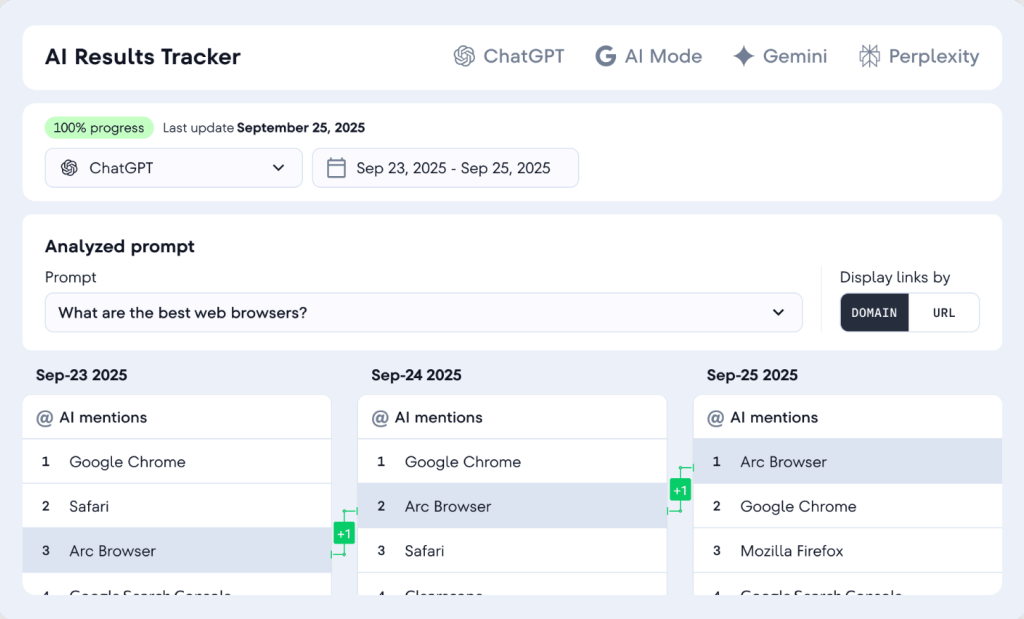
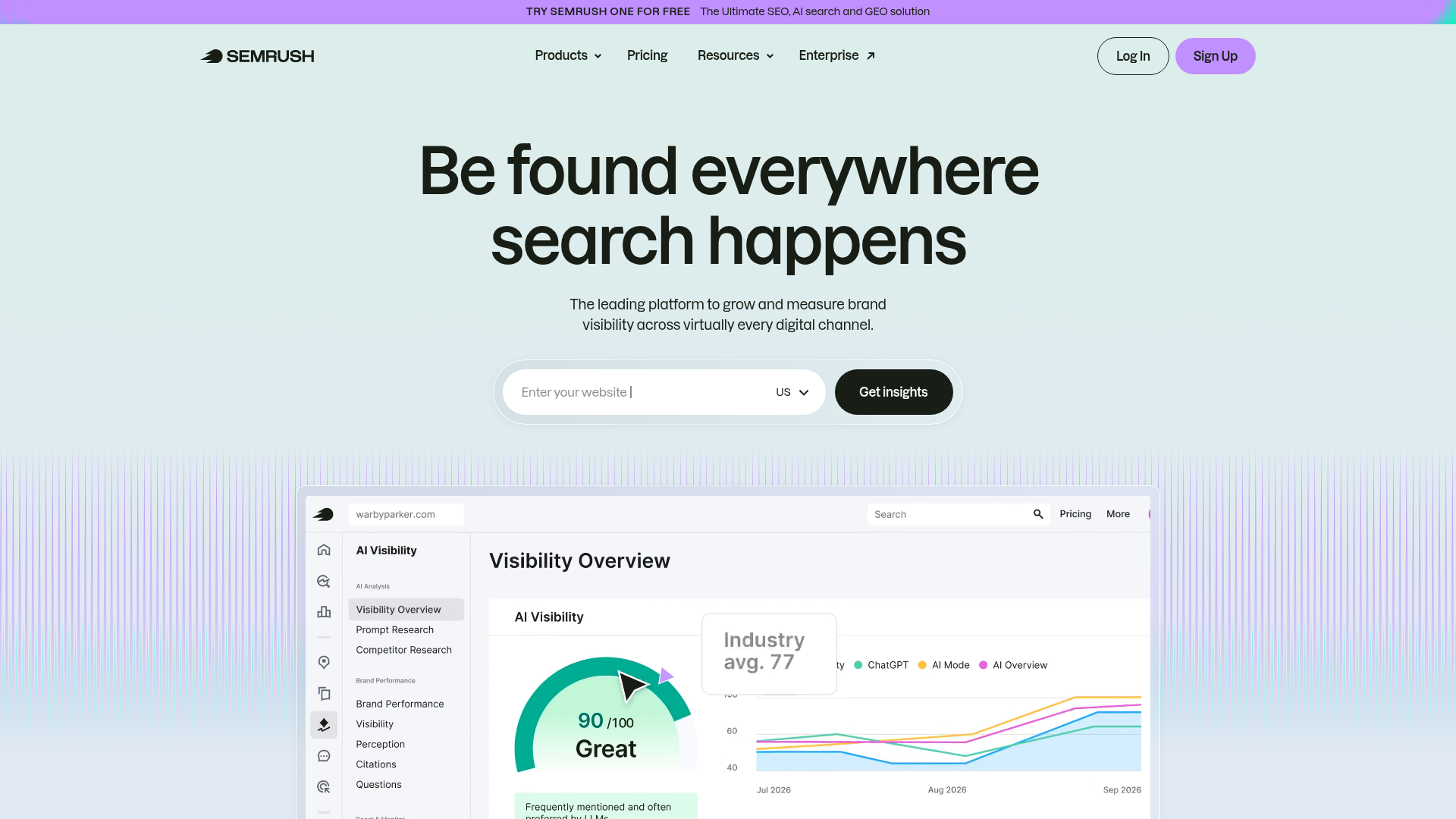
is the first AI exposure platform built specifically for the complex reality of commerce. The tool pairs prompt-level exposure tracking across ChatGPT, Gemini, and Google AI Overviews with 3 specialized autonomous execution representatives: the Onsite Agent to instantly fix damaged schemas and item details page structures, the Content Representative to produce review-backed buying guides, and the Activation Agent to set in motion real consumers on the third-party online forums LLMs scan for validation.
This structure of authentic consumer voices offers the clean information streams that LLMs naturally trust to construct suggestions. Brands like David Protein and Beekman 1802 use this agentic facilities to align their operations with contemporary design habits. To evaluate your brand name's standard exposure score, go to or sign up with the early gain access to item waitlist at.
The goal is no longer to simply rank # 1 on a fixed list, however to protect "Pixel Presence" across a fluid community of AI Overviews, answer engines, and standard results. The tools highlighted here have actually effectively adapted to this volatility, providing the intelligence required to navigate the current search environment.
The Evolution of AI SEO Suites
Satisfy the Tool That Gets Your Products Suggested by AI Rank tracking reports your ordinal position (e.g., "Rank 1"), which can be misinforming in 2026. "Pixel tracking" measures the outright pixel depth of your link from the top of the screen. Due To The Fact That AI Overviews and ads press natural outcomes down, a "Rank 1" outcome may actually sit 1,200 pixels down the pagebelow the fold on most devices.
This was likely due to the deprecation of the num=100 search specification. In September 2025, Google disabled this setting, which broke lots of scraping tools. This change got rid of an enormous amount of bot traffic that was previously inflating impression data. As kept in mind by market experts, this left brand names with cleaner, albeit lower, information.
An file functions as a sitemap particularly for AI agents, guiding crawlers like GPTBot to your crucial content. Developing this file ensures that AI designs consume your confirmed product data rather than "hallucinating" inaccurate details, successfully securing your brand name equity in the. For little organizations or lean groups, Wincher and SE Ranking are the top suggestions.
Findings indicate that when an AI Summary is present on a SERP, the Click-Through Rate (CTR) for the top natural outcome drops by around. The "Terrific Decoupling" refers to the divergence in between traditional ranking signals and actual visibility, mostly activated by Google's removal of the num=100 specification and the rise of AI Overviews.
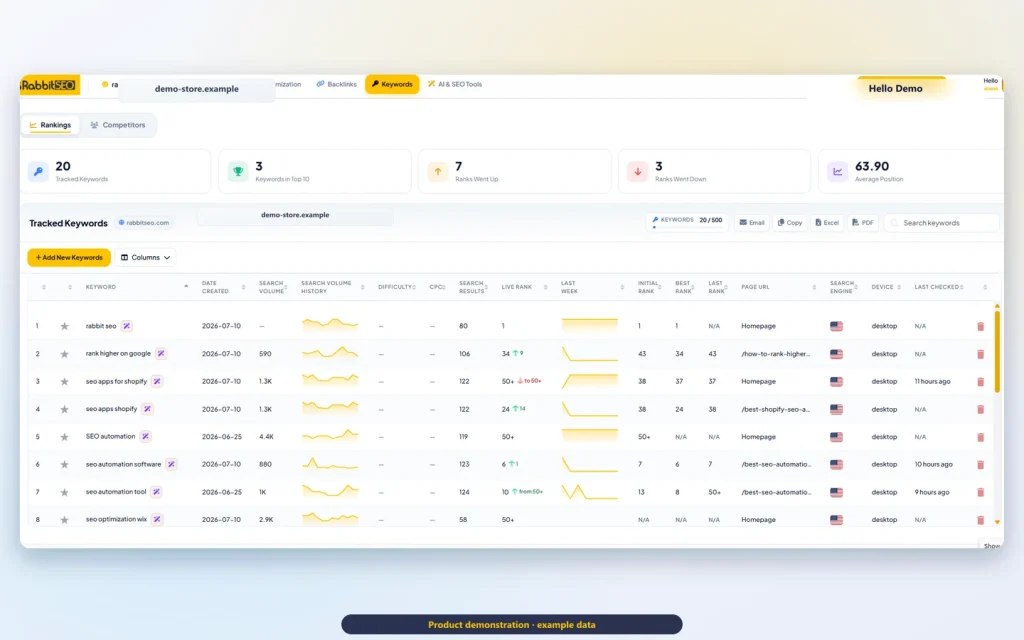
Maximizing Search Rankings with Advanced Rank Tracking
If you have a physical place, yes. Generalist tools typically lack the hyper-local precision needed for "near me" searches. Tools like BrightLocal or Nightwatch provide grid-tracking technology that can reveal how your ranking modifications from street to street, which is vital for catching foot traffic in competitive regional markets. Weekly reporting is no longer sufficient due to the high volatility of AI results.
Tools like AccuRanker even provide on-demand refreshes, enabling you to check rankings quickly after a product update or cost modification. GEO is the practice of optimizing material particularly to be comprehended and cited by AI engines (like Google Gemini and ChatGPT). Unlike conventional SEO, which concentrates on keywords and links, GEO focuses on "Entity Authority," structured data, and direct answers, making sure that your brand is advised when an AI synthesizes an action for a user.
Evaluating New AI Copy Platforms for SEOBrowse engine optimization uses a broad range of measurable elements. 2 of the most basic are website check outs from natural search and target keyword rank.
For the latter, SEO specialists and digital online marketers turn to rank tracker (a.k.a. rank monitoring or rank monitoring) tools. Pretty much all of these tools will track rankings over time for multiple keywords on multiple engines for multiple URLs; some provide additional features like keyword recommendations, geo tracking (the ability to view rankings as if one were browsing from any specific city, or on various country-specific online search engine), and separate tracking for mobile and desktop search rankings.